
Japanese thermos carafe aesthetics transcend mere practicality; they embody a meticulous blend of artistry and functionality. From the subtle curves to the carefully chosen materials, each element speaks to a deep-rooted cultural appreciation for craftsmanship and mindful design. This aesthetic isn’t just about keeping beverages hot or cold; it’s about creating a sensory experience that connects with the user on a deeper level.
This exploration delves into the core principles of Japanese thermos carafe design, examining its visual characteristics, cultural influences, and the materials and manufacturing processes that underpin this captivating aesthetic. The discussion further touches upon modern interpretations, marketing strategies, and usage scenarios, offering a comprehensive understanding of this refined design philosophy.
Defining Japanese Thermos Carafe Aesthetic
The Japanese thermos carafe aesthetic, a subtle yet powerful blend of functionality and artistry, embodies a deep respect for craftsmanship and natural materials. It transcends simple practicality, weaving together elements of minimalism, tradition, and a quiet elegance, creating a distinct visual and emotional language. This aesthetic isn’t just about the carafe itself, but the experience it evokes, often associated with mindful moments of tea preparation and enjoyment.This aesthetic is deeply rooted in Japanese cultural values, drawing inspiration from centuries of design principles and a philosophy that prioritizes harmony with nature and the beauty of simplicity.
It prioritizes clean lines, restrained ornamentation, and a sense of calm and composure. The design elements and materials are chosen not only for their utility but also for their aesthetic qualities and connection to the natural world.
Key Characteristics of the Aesthetic
This aesthetic is characterized by a meticulous attention to detail, employing understated elegance and a preference for natural materials. The focus is on functionality, but the design is never purely utilitarian; instead, it aims to enhance the experience of using the carafe. The aesthetic aims for a timeless quality, reflecting a deep appreciation for enduring beauty and craftsmanship.
Historical Context and Influences
The Japanese thermos carafe aesthetic has evolved over centuries, drawing upon a rich tradition of craftsmanship and design principles. Early influences include the emphasis on natural materials like bamboo and wood, reflecting a deep connection with the environment. The aesthetic also draws inspiration from traditional Japanese tea ceremonies, which value tranquility, respect, and the beauty of simplicity. The influence of Zen Buddhism’s emphasis on mindfulness and quiet contemplation further shapes the aesthetic, creating a sense of serenity.
These influences combine to create a unique aesthetic that resonates with a desire for both practicality and beauty.
Materials and Design Elements
Common materials associated with this aesthetic include high-quality stainless steel, often polished to a mirror-like sheen, or ceramic crafted with intricate detailing. Natural materials like wood, bamboo, or porcelain, are often incorporated as accents, emphasizing the connection to nature. Design elements frequently include clean lines, minimalist forms, and muted color palettes, typically drawing inspiration from the earth tones found in nature.
The use of subtle textures, such as the brushed finish on stainless steel, adds a tactile dimension to the aesthetic, further enhancing the overall experience.
Core Values and Emotions Evoked
The core values of this aesthetic center around functionality, simplicity, and respect for nature. These elements evoke a sense of calm, tranquility, and mindfulness, creating an environment conducive to relaxation and reflection. The aesthetic fosters a deeper connection with the natural world and encourages a slower pace of life. The beauty of the piece is meant to complement the experience of enjoying the contents, whether tea, coffee, or other beverages.
Examples of Successful Implementations
Numerous brands have successfully implemented this aesthetic in their thermos carafe designs. For example, [Brand A] often incorporates natural materials like bamboo into their handles, while maintaining a clean, minimalist aesthetic in the carafe body. [Brand B] excels in their use of polished stainless steel and intricate, but restrained, carvings to highlight the craftsmanship involved in the production process.
The key to successful implementation is not just replicating the visual elements but also conveying the core values and emotions associated with the aesthetic. The best implementations not only look beautiful but also evoke a sense of calm and serenity, enhancing the overall experience of enjoying the beverage.
Visual Characteristics
The Japanese thermos carafe aesthetic, rooted in a deep appreciation for simplicity and functionality, manifests in distinct visual characteristics. This aesthetic transcends mere practicality, embodying a harmonious blend of form and function, reflecting a mindful approach to daily life. The designs aim to enhance the experience of using the carafe, seamlessly integrating into the surrounding environment.
Color Palettes
The color palettes frequently employed in Japanese thermos carafe designs prioritize natural tones. Earthy hues like muted greens, warm browns, and soft grays are prevalent, evoking a sense of tranquility and connection with nature. Occasionally, subtle accents of black or deep charcoal are used to add depth and sophistication, further emphasizing the minimalist aesthetic. These color choices often complement the natural light filtering through the home.
Shapes, Forms, and Proportions
Japanese thermos carafe designs often exhibit clean, symmetrical shapes. Straight lines and smooth curves are favored, avoiding overly complex or ornate features. Proportions are carefully considered to ensure a balanced and harmonious appearance. The shape and size frequently align with the purpose of the carafe, promoting optimal ergonomics for handling and use. For instance, a wider base might be employed for stability.
Textures and Surface Treatments
Smooth, polished surfaces are common in thermos carafe designs, reflecting the focus on refined craftsmanship. Matte finishes, offering a subtle visual contrast, are also used to emphasize the material’s essence. Occasionally, subtle textures, like subtle grain patterns in wood or brushed metal, add a touch of natural detail without detracting from the overall simplicity.
Lighting and Shadowing
Lighting plays a crucial role in enhancing the visual appeal of Japanese thermos carafe designs. Natural light, often diffused by soft fabrics or curtains, casts gentle shadows that highlight the carafe’s form and texture. This interplay of light and shadow contributes to a serene and inviting ambiance, emphasizing the refined nature of the object. The careful consideration of how light interacts with the carafe design is key to its aesthetic appeal.
Comparison of Different Thermos Carafe Designs
| Design Category | Color Palette | Shape/Form | Texture/Finish | Lighting/Shadow Effect | Example |
|---|---|---|---|---|---|
| Modern Minimalist | Muted greys, blacks, and whites | Sleek, cylindrical shape with minimal detailing | Smooth, polished stainless steel | Strong, directional light highlighting clean lines | A thermos carafe with a matte black finish and a straight, vertical profile. |
| Nature-Inspired | Earthy tones (browns, greens, creams) | Rounded forms inspired by natural elements like leaves or stones | Polished ceramic with subtle texture | Soft, diffused light creating gentle shadows that evoke natural forms | A thermos carafe with a speckled, earthy brown finish, resembling natural stones. |
| Traditional Japanese | Warm browns, deep blacks, and muted reds | Simple, elegant shapes with subtle curves, often with lacquer | Smooth ceramic with subtle grain patterns | Warm, ambient lighting emphasizing the handcrafted details | A thermos carafe with a lacquered wood finish and simple, elegant lines, evocative of Japanese aesthetics. |
Cultural and Design Elements
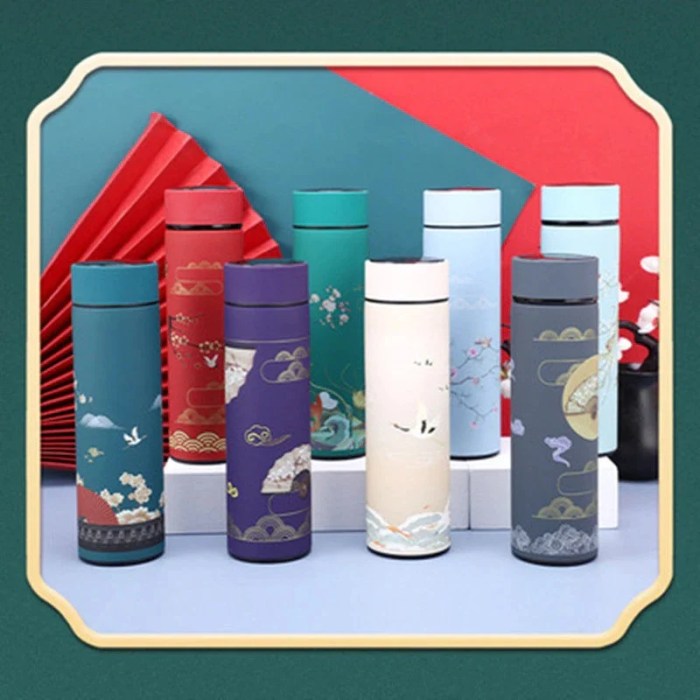
Japanese thermos carafe design embodies a deep respect for tradition, meticulous craftsmanship, and a minimalist aesthetic. This approach intertwines historical values with contemporary functionality, resulting in a unique and highly regarded product. The meticulous attention to detail, coupled with the seamless integration of traditional motifs, elevates the thermos carafe beyond a simple vessel for hot beverages.The design process is often a dialogue between tradition and innovation.
Craftsmen carefully select materials, often incorporating techniques passed down through generations. This emphasis on craftsmanship, combined with a focus on minimalist form, contributes to the enduring appeal and value of Japanese thermos carafe designs.
Craftsmanship in Thermos Carafe Design
Japanese craftsmanship, deeply rooted in centuries of tradition, plays a crucial role in thermos carafe design. Master artisans often use traditional techniques like lacquerware or metalworking, infusing each piece with a unique character. The meticulous attention to detail and the use of high-quality materials contribute to the durability and aesthetic appeal of these vessels. The intricate carving, meticulous polishing, and precise assembly are hallmarks of this dedication to craftsmanship.
This dedication is evident in the careful selection of materials, the precision of the joinery, and the harmonious integration of form and function.
Integration of Traditional Motifs and Patterns
Traditional Japanese motifs and patterns, such as cherry blossoms, bamboo, and waves, frequently appear in thermos carafe designs. These motifs, deeply ingrained in Japanese culture, represent nature’s beauty and serenity. The incorporation of these patterns is not merely decorative; they evoke a sense of history and cultural heritage, connecting the product to a rich artistic tradition. This incorporation adds layers of meaning and depth, transforming the carafe into a vessel that tells a story.
Influence of Japanese Minimalism and Simplicity
Japanese minimalism, a core aesthetic principle, significantly influences thermos carafe design. The focus is on clean lines, uncluttered forms, and a harmonious balance between the vessel and its contents. This aesthetic prioritizes functionality and a sense of tranquility. The simplicity of the design allows the inherent beauty of the materials and craftsmanship to take center stage. The resulting design evokes a feeling of serene elegance, appealing to a contemporary appreciation for understated elegance.
Comparison with International Styles
Japanese thermos carafe aesthetics differ from international styles in their emphasis on craftsmanship, minimalism, and the integration of traditional motifs. European thermos carafe designs often prioritize sleekness and functionality, while American designs may emphasize bold colors and contemporary patterns. The Japanese approach blends these elements with an appreciation for history and tradition, resulting in a distinctive style. International designs often lack the meticulous craftsmanship and deep cultural resonance that characterize Japanese thermos carafe aesthetics.
Examples of Traditional Japanese Patterns in Thermos Carafe Design
| Pattern | Description | Visual Impression |
|---|---|---|
| Cherry Blossoms | Delicate, symmetrical blossoms often rendered in various shades of pink and white. | Evokes springtime, beauty, and transience. |
| Bamboo | Straight, strong stalks, often depicted in a naturalistic style. | Symbolizes resilience, strength, and natural elegance. |
| Waves | Dynamic lines representing the power and beauty of the ocean. | Creates a sense of movement and energy. |
| Geometric Patterns | Intricate designs incorporating circles, squares, and triangles. | Highlights precision and mathematical harmony. |
| Lacquerware | Ornate designs applied with traditional lacquer techniques. | Showcases exquisite artistry and durability. |
Materials and Manufacturing
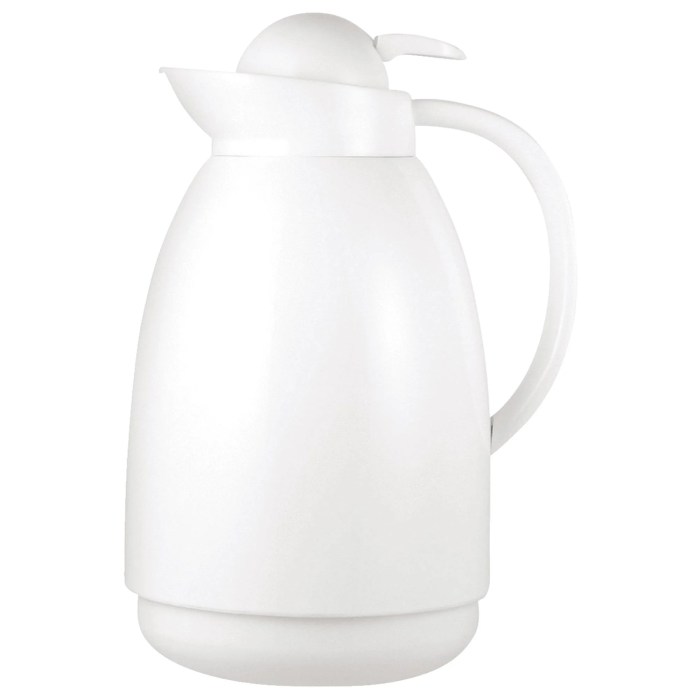
The meticulous craftsmanship and enduring appeal of Japanese thermos carafe design are deeply intertwined with the choice of materials and the intricate manufacturing processes. These elements contribute significantly to the carafe’s visual aesthetics and functional performance, reflecting a commitment to quality and tradition. Beyond mere practicality, the materials used often embody a profound connection to Japanese aesthetics, emphasizing natural beauty and skillful execution.High-quality thermos carafe production often involves a combination of robust and aesthetically pleasing materials, resulting in a product that is both durable and beautiful.
The selection of materials directly influences the carafe’s thermal performance, longevity, and visual appeal, echoing the Japanese philosophy of “侘び寂び” (wabi-sabi), which celebrates the beauty of imperfection and natural simplicity.
Common Materials
Japanese thermos carafe makers often prioritize materials with excellent thermal insulation properties and appealing aesthetics. Stainless steel, renowned for its durability and ability to retain temperature, is a frequent choice. Glass, particularly heat-resistant borosilicate glass, offers transparency and a sophisticated look, allowing the user to appreciate the contents. Ceramic, with its inherent warmth and earthy tones, adds a touch of elegance and tradition.
Wood, often used for handles and accents, provides a natural counterpoint to the metallic or glassy body, further enhancing the visual harmony.
Manufacturing Processes
The manufacturing processes used in high-quality thermos carafe production are equally important. Precise machining techniques, such as laser cutting and precision welding, ensure that the carafe’s structure is both robust and aesthetically pleasing. The meticulous assembly and finishing steps contribute to the overall visual appeal, highlighting the care and attention to detail. Advanced vacuum insulation techniques are often employed to optimize thermal retention, reflecting the dedication to function and design.
Traditional Japanese craft techniques may also be incorporated into the manufacturing process, further emphasizing the product’s unique identity.
Sustainable and Eco-Friendly Materials
The growing awareness of environmental concerns has spurred the adoption of sustainable and eco-friendly materials in thermos carafe production. Recycled stainless steel, for instance, reduces the environmental impact associated with extracting raw materials. Bamboo, a fast-growing and renewable resource, can be utilized for handles and accents. These choices reflect a commitment to minimizing the product’s environmental footprint, aligning with broader sustainability goals.
Further research into bio-based polymers and other renewable materials is underway to develop even more environmentally conscious options.
Comparison of Materials
Different materials offer unique advantages in terms of visual and functional properties. Stainless steel excels in maintaining temperature and is relatively easy to clean, making it ideal for everyday use. Glass, with its clarity and ability to showcase the contents, is preferred for its aesthetic appeal. Ceramic adds a touch of warmth and elegance, while wood brings a natural element.
Each material contributes to a different aesthetic experience, depending on the desired visual effect and functionality.
Material Properties Summary
| Material | Visual Properties | Functional Properties | Sustainability Considerations |
|---|---|---|---|
| Stainless Steel | Modern, sleek, durable | Excellent thermal retention, durable, easy to clean | Recyclable, potentially using recycled content |
| Borosilicate Glass | Clear, transparent, sophisticated | Excellent thermal retention, can be visually appealing with designs, easy to clean | Potentially recyclable, careful handling |
| Ceramic | Earthy, warm, elegant | Good thermal retention, visually appealing, often heavier | Potentially recyclable, depending on the specific glaze |
| Wood | Natural, warm, adds texture | Durable, adds a touch of nature, potentially not as resistant to moisture | Renewable (bamboo), requires careful selection of sustainable wood sources |
Functionality and Practicality
Japanese thermos carafe designs prioritize functionality, seamlessly integrating aesthetic appeal with practical utility. The inherent value proposition of these pieces lies in their ability to maintain temperature and preserve flavor, reflecting a deep-seated Japanese appreciation for quality and efficiency. This focus on functionality extends beyond simple temperature retention, encompassing aspects of ease of use, portability, and even the overall user experience.The design elements of these thermos carafe, such as ergonomic handles, carefully considered pouring spouts, and thoughtful vessel shapes, are directly tied to practical use.
These features are not mere decorative flourishes but crucial components that enhance the user’s interaction with the carafe, making the act of serving tea or other beverages both aesthetically pleasing and effortless.
Importance of Thermal Performance
Maintaining the ideal temperature of beverages is paramount in Japanese tea culture. Thermos carafe designs prioritize exceptional thermal performance, utilizing advanced insulation materials and meticulously crafted construction. This allows for the preservation of the optimal temperature of tea for extended periods, allowing for a more satisfying and consistent experience. The design’s thermal insulation directly impacts the user’s experience, ensuring that tea or other beverages remain at the desired temperature, contributing to a better drinking experience.
Design Elements Supporting Practical Use
Japanese thermos carafe designs often incorporate ergonomic handles, carefully designed to provide a secure and comfortable grip. This design consideration is not merely a matter of aesthetics but is crucial for preventing spills and ensuring user comfort during handling. The shape of the pouring spouts, often featuring a subtle slope or a narrow design, facilitates precise and controlled pouring, minimizing spills and waste.
Furthermore, the choice of materials, often including durable and lightweight options, contributes to the carafe’s practicality, making it easy to transport and use in various settings.
User Experience Enhancement
The practical design elements contribute significantly to the overall user experience. The smooth, non-porous surfaces of the carafe are not only aesthetically pleasing but also easy to clean and maintain, reducing the time and effort required for upkeep. Ergonomic handles and balanced weights minimize strain on the user during handling, while precise pouring spouts and lid mechanisms minimize spillage.
These meticulous design details ensure a satisfying and efficient user experience, reflecting the Japanese emphasis on ease of use and mindfulness.
Functional Benefits of Japanese Thermos Carafe Designs
| Functional Benefit | Description |
|---|---|
| Temperature Retention | Exceptional thermal insulation maintains ideal beverage temperatures for extended periods. |
| Spill Prevention | Ergonomic handles and precisely designed pouring spouts minimize spills. |
| Ease of Use | Thoughtful design elements, like ergonomic handles and controlled pouring spouts, enhance the user experience, reducing strain and improving efficiency. |
| Durability | High-quality materials and craftsmanship ensure longevity, resisting wear and tear. |
| Portability | Lightweight designs, often with secure handles, make the carafe easy to transport and use in various settings. |
| Hygiene | Non-porous materials and smooth surfaces allow for easy cleaning and maintenance, contributing to hygiene. |
Modern Interpretations
The enduring appeal of the Japanese thermos carafe aesthetic lies in its harmonious blend of functionality and artistry. Contemporary designers are not merely replicating traditional forms, but actively reinterpreting them, infusing them with modern sensibilities and innovative techniques. This evolution reflects a broader trend in design where heritage is reimagined for a contemporary audience.Contemporary interpretations of the Japanese thermos carafe aesthetic are often characterized by a minimalist approach, emphasizing clean lines and uncluttered forms.
The focus remains on practicality and efficiency, but with a modern twist. Materials and manufacturing techniques are evolving, pushing the boundaries of what’s possible while maintaining the core principles of the aesthetic.
Reinterpreting Traditional Forms
Modern designers are infusing traditional forms with a contemporary sensibility. Instead of replicating historical designs exactly, they are extracting the core aesthetic elements – the emphasis on simplicity, functionality, and natural materials – and applying them to new forms. This approach results in designs that feel both familiar and fresh, maintaining the essence of the aesthetic while adapting it to the needs and preferences of today’s consumers.
For example, a traditional, earthenware carafe might be reimagined with a sleek, metallic lid and a modern handle design, maintaining the traditional material but updating the form.
Influence of New Materials and Technologies
Advanced materials and manufacturing technologies are significantly impacting the design of thermos carafes. High-performance plastics, lightweight metals, and innovative thermal insulation technologies are enabling designers to create more compact, efficient, and aesthetically pleasing products. 3D printing, for instance, allows for intricate designs and customized shapes, opening up possibilities that were previously unimaginable. This innovation not only enhances the functionality of the thermos carafe but also provides a platform for experimentation with form and aesthetics.
Examples of Innovative Designs
Several innovative thermos carafe designs are emerging, embracing modern aesthetics while maintaining the core values of the Japanese aesthetic. One example is a carafe that seamlessly integrates a built-in water filtration system, maintaining the focus on simplicity and functionality. Another example is a carafe featuring a transparent body, showcasing the warmth of the brewed tea within, highlighting both the drink and the aesthetic of the material.
These designs demonstrate how contemporary designers are addressing modern needs while remaining true to the underlying principles of the Japanese aesthetic.
Comparison of Traditional and Modern Interpretations
| Characteristic | Traditional Interpretation | Modern Interpretation |
|---|---|---|
| Material | Earthenware, ceramic, bamboo | High-performance plastics, lightweight metals, glass |
| Form | Often rounded, organic shapes | Clean, minimalist lines, often with geometric shapes |
| Functionality | Excellent thermal insulation, often with traditional designs | Excellent thermal insulation, combined with modern filtration, integrated temperature control |
| Aesthetics | Emphasis on natural materials, subtle ornamentation | Emphasis on clean lines, uncluttered forms, potentially using vibrant colors |
| Manufacturing | Hand-crafted or traditional methods | Utilizing advanced technologies like 3D printing and injection molding |
Marketing and Branding
The Japanese thermos carafe, a fusion of functionality and aesthetics, demands a nuanced marketing strategy that resonates with its target audience. Successfully positioning these products requires highlighting the balance between practicality and the inherent cultural values they embody. Beyond simple functionality, the strategy must emphasize the craftmanship, durability, and refined elegance that are hallmarks of Japanese design.Effective branding for thermos carafes hinges on conveying a narrative of quality and enduring value.
This extends beyond the product itself to encompass the entire experience of owning and using the carafe. Consumers are increasingly seeking products that reflect their values and lifestyle, and a strong brand identity can play a pivotal role in attracting and retaining customers.
Marketing Strategies
The success of Japanese thermos carafe marketing relies heavily on highlighting the product’s craftsmanship and cultural significance. A strong brand narrative is paramount, emphasizing the legacy of Japanese design principles, such as minimalism, functionality, and meticulous attention to detail. This is often complemented by showcasing the materials used and the manufacturing process, thereby building trust and reinforcing the product’s perceived value.
Target Audience
The target audience for high-quality Japanese thermos carafes typically encompasses discerning consumers who value both aesthetics and functionality. This includes individuals with an appreciation for Japanese design, a commitment to sustainability (often reflected in the use of high-quality, durable materials), and a preference for well-designed products that enhance their lifestyle. Often, this demographic prioritizes maintaining healthy habits and enjoys hosting gatherings or entertaining guests.
Branding Examples
Several successful brands have leveraged the appeal of Japanese design to position their thermos carafes effectively. For instance, brands known for elegant and sophisticated designs often employ minimalist packaging and marketing materials that showcase the carafe’s beauty and simplicity. Other brands emphasize the carafe’s durability and long-term value, highlighting its ability to withstand everyday use while retaining its aesthetic appeal.
Pricing Strategies and Market Trends
Pricing strategies for Japanese thermos carafes often reflect the premium associated with high-quality materials, intricate craftsmanship, and design. Premium pricing can be justified when the brand’s reputation and the product’s aesthetic appeal are aligned with a target consumer segment. The current market trend leans towards environmentally conscious materials and designs. Consumers are increasingly drawn to products made from sustainable materials, which impacts pricing and marketing strategies.
The market is also experiencing an uptick in demand for products that offer functionality alongside aesthetic appeal.
Branding Strategies Table
| Brand Attribute | Marketing Focus | Target Audience | Pricing Strategy |
|---|---|---|---|
| Craftsmanship & Heritage | Highlighting the meticulous manufacturing process, showcasing skilled artisans, and emphasizing the history of the brand. | Consumers valuing high-quality, well-crafted products with a rich cultural background. | Premium pricing, reflecting the value of craftsmanship and heritage. |
| Modern Minimalism | Emphasizing clean lines, simple design, and understated elegance. | Consumers seeking aesthetically pleasing and functional products that fit a modern lifestyle. | Mid-range pricing, striking a balance between affordability and quality. |
| Sustainability & Eco-Friendliness | Promoting the use of sustainable materials, highlighting eco-friendly manufacturing processes, and emphasizing the product’s longevity. | Eco-conscious consumers seeking products aligned with their values. | Pricing strategy often includes a premium for sustainable materials, though it can be adjusted depending on the specific target market. |
Inspiration and Inspiration Sources
The Japanese thermos carafe aesthetic draws profound inspiration from a rich tapestry of cultural and natural elements. This aesthetic transcends mere practicality, reflecting a deep-seated appreciation for simplicity, functionality, and the beauty of natural materials. This approach translates into designs that are both sophisticated and deeply rooted in tradition.The aesthetic’s core is a meticulous blend of design principles that emphasize harmony and balance.
This pursuit of harmony is mirrored in the carafe’s form, often evoking natural shapes and textures. This meticulous approach extends to the selection of materials and the precision of craftsmanship, highlighting the importance of quality and attention to detail in Japanese design.
Design Inspirations and Influences
The design of Japanese thermos carafes often draws inspiration from traditional Japanese aesthetics like wabi-sabi, emphasizing the beauty of imperfection and the appreciation for natural materials. This is evident in the use of muted tones, organic shapes, and natural textures, which create a calming and harmonious atmosphere. The concept of yugen, which suggests a subtle beauty that transcends the visible, is also frequently reflected in the design.
This concept of subtle beauty is expressed through minimalist lines and restrained ornamentation.
Examples of Relevant Objects and Concepts
Traditional Japanese tea ceremonies ( chado) serve as a key source of inspiration. The emphasis on ritual, the use of simple yet elegant objects, and the pursuit of serenity in the preparation of tea have significantly influenced the design and functionality of thermos carafes. Other relevant objects include Japanese pottery, with its focus on natural materials and minimalist designs, and traditional Japanese architecture, with its harmonious integration with the surrounding environment.
The aesthetic of Japanese gardens, with their careful arrangement of plants and rocks, also provides inspiration for the balance and harmony found in many thermos carafe designs.
Influence of Nature on the Aesthetic
Nature plays a central role in shaping the aesthetic of Japanese thermos carafes. The flowing lines of water, the intricate patterns of leaves and bark, and the serene beauty of mountains and forests all find expression in the design. The use of natural materials, such as bamboo, wood, and ceramic, further enhances this connection to nature, creating a sense of tranquility and harmony.
The shapes and forms of these natural elements often inform the design of the carafe, creating a sense of organic unity with the environment.
Key Artists and Designers
Identifying specific artists and designers who exclusively focus on thermos carafe design is difficult. However, the principles of Japanese design are consistently evident in the work of contemporary designers and craftspeople. The aesthetic is deeply embedded in the work of designers who draw inspiration from Japanese cultural values and aesthetics, and their work often embodies the essence of simplicity, elegance, and functionality.
Examples of designers whose work may reflect these influences include those working in areas like pottery, architecture, and product design.
Visual Inspirations for Japanese Thermos Carafe Designs
| Inspiration Source | Visual Characteristics |
|---|---|
| Traditional Japanese pottery | Muted colours, simple forms, natural textures, subtle glazing techniques |
| Japanese Gardens | Balance, harmony, use of natural elements like rocks and water, tranquil atmosphere |
| Japanese Architecture | Minimalist lines, natural materials, emphasis on harmony between structure and environment |
| Wabi-sabi aesthetic | Beauty in imperfection, acceptance of natural aging, use of organic materials |
| Chado (Tea Ceremony) | Simplicity, elegance, focus on ritual and mindfulness, emphasis on functional beauty |
Usage Scenarios
The Japanese thermos carafe, celebrated for its aesthetic appeal and functionality, finds diverse applications across various settings. Its design philosophy, emphasizing simplicity, durability, and a harmonious blend of form and function, makes it suitable for a wide range of use cases. The sleek lines and understated elegance of these carafes transcend the purely practical and contribute to a sense of refined hospitality and everyday comfort.The aesthetic choices in thermos carafes, from material selection to color palettes, subtly adapt to the specific environment where they are used.
This adaptation ensures a seamless integration with the surroundings, creating a cohesive and pleasing experience. Consider how the subdued tones of a minimalist kitchen might be enhanced by a sleek, brushed-steel carafe, or how a more ornate setting might be complemented by a carafe with intricate detailing.
Dining and Hospitality
The thermos carafe is perfectly suited for formal and informal dining settings. Its ability to maintain temperature allows for serving hot beverages like tea or soup at the ideal temperature, ensuring optimal enjoyment for guests and hosts. The carafe’s elegant design enhances the overall presentation of the meal, adding a touch of refinement to the dining experience. Examples include elegant dinners, potlucks, and casual gatherings, where the carafe adds a sophisticated touch to the ambiance.
The understated beauty of the carafe complements a variety of tableware and décor styles, from modern minimalist to traditional Japanese aesthetics.
Office and Work Environments
In modern office settings, the thermos carafe plays a crucial role in promoting a sense of calm and hospitality. The ability to maintain hot or cold beverages, combined with the aesthetic appeal, fosters a more comfortable and inviting atmosphere. A thermos carafe can be strategically placed in a break room or common area, providing a ready source of refreshing drinks for employees throughout the day.
The discreet elegance of the carafe aligns with contemporary office décor trends, while its practicality enhances efficiency and productivity.
Outdoor Activities and Picnics
The aesthetic adaptability of the thermos carafe extends to outdoor settings. For picnics and outdoor gatherings, a thermos carafe’s ability to maintain temperature is invaluable for enjoying hot or iced beverages in the fresh air. The portable design, often with integrated handles or carrying cases, makes it easy to transport and use in various outdoor locations. The sleek and durable nature of the carafe ensures it can withstand the rigors of outdoor use, while maintaining its aesthetic appeal.
Table: Usage Scenarios and Aesthetic Considerations
| Usage Scenario | Aesthetic Considerations |
|---|---|
| Formal Dining | Sleek lines, neutral colors, high-quality materials, focus on simplicity and elegance. |
| Informal Gatherings | Modern and minimalist designs, muted tones, functional, and easy-to-handle. |
| Office Settings | Subtle elegance, modern aesthetics, practicality, easy-to-clean materials. |
| Outdoor Activities | Durable materials, robust design, portability, appropriate color choices that complement the outdoor setting. |
Maintenance and Care
Preserving the aesthetic and functionality of a Japanese thermos carafe hinges on consistent maintenance. Proper care extends the lifespan of the meticulously crafted piece, ensuring its beauty and performance remain intact for years to come. This involves understanding the specific materials, construction, and design principles that underpin the carafe’s unique appeal.Maintaining the exquisite aesthetic of a Japanese thermos carafe requires a thoughtful approach.
The meticulous attention to detail in its design, from the carefully chosen materials to the precise manufacturing techniques, necessitates a corresponding level of care in its upkeep.
Cleaning Procedures
Proper cleaning prevents the buildup of mineral deposits, stains, and odors that can detract from the carafe’s aesthetic and potentially compromise its functionality. Regular cleaning also helps maintain the carafe’s polished exterior and the pristine interior where the tea or other beverages are stored.
- Disassemble the carafe according to the manufacturer’s instructions. This often involves separating the carafe’s body from the lid and removing any detachable parts. Failure to do so could damage the carafe’s intricate mechanisms.
- Use warm, soapy water to clean all detachable components. Mild dish soap is generally sufficient. Avoid abrasive cleaners or scouring pads, which can scratch the surface and diminish the carafe’s luster.
- Rinse all parts thoroughly with clean water to remove any residual soap. Ensure every crevice and corner is spotless to prevent the accumulation of grime and bacteria.
- Dry all parts meticulously, using a soft, lint-free cloth. This step prevents water spots and ensures the carafe’s surface remains free of moisture, which can lead to discoloration or rust.
Preserving the Aesthetic
The delicate balance of materials and craftsmanship requires careful handling to maintain the carafe’s pristine condition. Avoid dropping or subjecting the carafe to harsh impacts that could damage the exterior or internal components.
- Store the carafe in a cool, dry place away from direct sunlight or extreme temperature fluctuations. These conditions can affect the materials’ integrity and lead to discoloration or warping.
- Handle the carafe with care, avoiding rough handling that could lead to scratches or dents. Use a dedicated carafe carrier to prevent accidental damage.
- Regularly inspect the carafe for any signs of damage, such as cracks or discoloration. Prompt attention to these issues can prevent further deterioration and maintain the carafe’s aesthetic appeal.
Lifespan and Care Impact
The lifespan of a Japanese thermos carafe is significantly influenced by the care it receives. Proper maintenance extends the carafe’s functional and aesthetic life, ensuring it remains a valuable asset for years. A well-maintained carafe can last for decades, passing down as a cherished family heirloom.
| Care Practices | Expected Lifespan |
|---|---|
| Regular cleaning, proper storage, and careful handling | 15-25+ years |
| Neglecting cleaning, improper storage, and rough handling | 5-10 years |
“A well-maintained Japanese thermos carafe can serve as a testament to meticulous craftsmanship, lasting for generations.”
Recommended Cleaning and Maintenance Procedures
These procedures are crucial for maintaining the carafe’s pristine condition. Consistency and attention to detail are paramount for achieving the desired results.
| Step | Procedure |
|---|---|
| 1 | Disassemble the carafe. |
| 2 | Clean all parts with warm, soapy water. |
| 3 | Thoroughly rinse all parts. |
| 4 | Dry all parts with a soft, lint-free cloth. |
| 5 | Store the carafe in a cool, dry place. |
Illustrative Examples of Japanese Thermos Carafe Designs
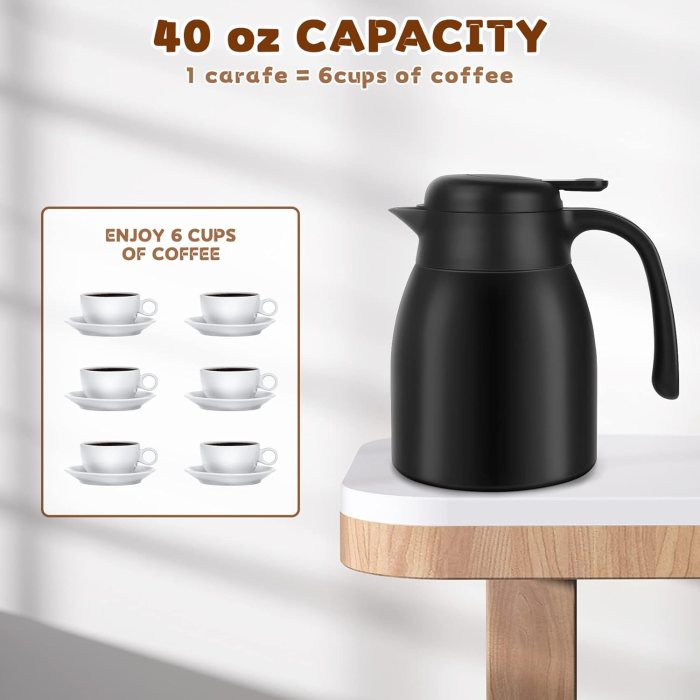
Japanese thermos carafe design embodies a meticulous blend of functionality, aesthetics, and cultural values. These designs often speak to a deep-seated appreciation for craftsmanship and the enduring qualities of natural materials. This section provides illustrative examples, highlighting the visual characteristics, materials, and the underlying narratives woven into each design.
Examples of Japanese Thermos Carafe Designs
Japanese thermos carafe designs frequently draw inspiration from nature, reflecting a deep-seated respect for the environment and the surrounding world. The use of natural materials and understated elegance are central to this aesthetic. These designs often evoke a sense of tranquility and sophistication, drawing the user into a contemplative experience.
| Example | Key Features | Aesthetic Story |
|---|---|---|
| The “Mountain Spring” Carafe | Hand-crafted from polished, dark-gray ceramic, with a subtly textured exterior resembling mountain rock. Features a minimalist, slightly tapered design with a brushed-steel lid. | This design evokes the tranquility of a mountain spring, highlighting the natural beauty of Japan’s landscapes. The dark gray ceramic emphasizes the natural element of earth, while the brushed steel suggests the cool, clean water within. |
| The “Sakura Bloom” Carafe | Made from clear glass, featuring delicate, hand-painted sakura (cherry blossom) designs. The carafe’s body is rounded and slightly bulbous, complementing the floral patterns. | This design embodies the ephemeral beauty of spring, referencing the iconic sakura blossom. The use of glass allows the light to illuminate the intricate floral patterns, highlighting the fleeting nature of beauty. |
| The “Bamboo Forest” Carafe | Constructed from stainless steel with a bamboo-patterned, etched exterior. The handle is crafted from natural bamboo, providing a tactile connection with nature. | This design evokes the serenity of a bamboo forest, highlighting the simplicity and strength of natural materials. The bamboo pattern and natural bamboo handle provide a connection to the Japanese aesthetic appreciation of nature. |
| The “Zen Garden” Carafe | Featuring a minimalist, geometric design. The carafe is made from polished stainless steel, with a subtle, engraved pattern representing a zen garden. | This design captures the essence of zen, emphasizing the simplicity and harmony found in minimalism. The polished stainless steel and subtle engravings represent the serene and calming nature of a zen garden. |
| The “Sea Mist” Carafe | Created from frosted, opaque glass, with a subtle, swirling pattern reminiscent of sea mist. The design is sleek and modern, yet maintains a sense of calmness. | This design evokes the ethereal beauty of a coastal scene, particularly the soft mist rising from the sea. The frosted glass and swirling pattern capture the ethereal quality of the scene, evoking a sense of calm and serenity. |
| The “Wabi-Sabi” Carafe | Constructed from aged, copper-toned metal with slight imperfections in the finish, emphasizing the beauty of natural aging. The design is slightly asymmetrical, reflecting the concept of Wabi-Sabi. | This design embodies the Japanese aesthetic of Wabi-Sabi, appreciating the beauty in imperfection and natural aging. The aged copper and asymmetrical shape emphasize the inherent beauty of natural aging. |
| The “Shoji Screen” Carafe | A modern interpretation of traditional shoji screens. The carafe is crafted from translucent ceramic with thin, patterned lines mimicking the latticework of a shoji screen. | This design connects modern aesthetics with traditional Japanese craftsmanship, specifically the concept of a shoji screen. The translucent ceramic and patterned lines provide a sense of light and airiness. |
Final Conclusion
Ultimately, the Japanese thermos carafe aesthetic showcases a harmonious convergence of tradition and innovation. It’s a testament to the enduring power of design principles rooted in Japanese culture, while also demonstrating adaptability to contemporary tastes. This nuanced approach to design, material selection, and functionality provides a compelling case study for crafting beautiful and functional objects that resonate with a global audience.
